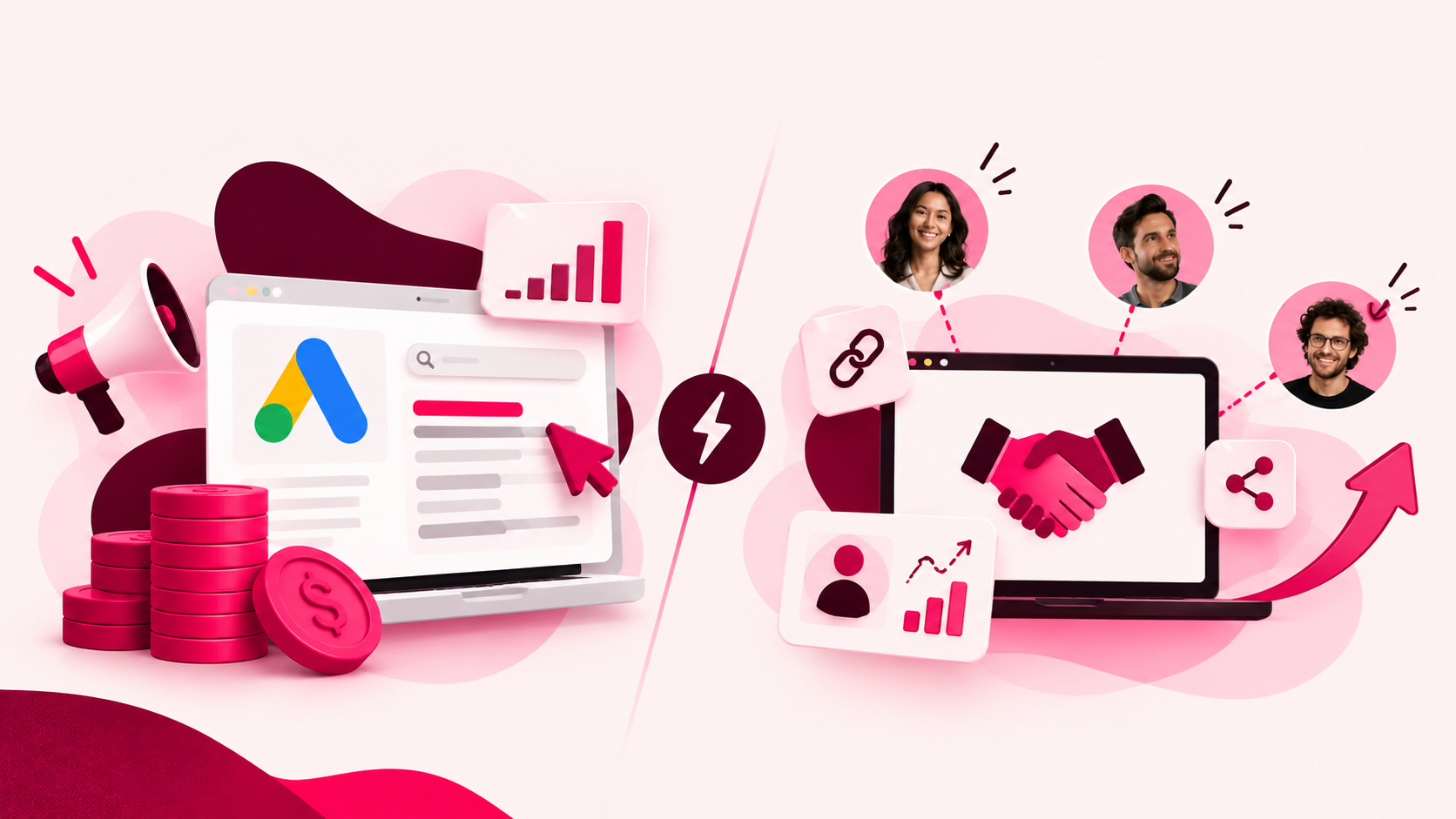


SaaS Lead Generation Without Paying for Your Own Partner Infrastructure
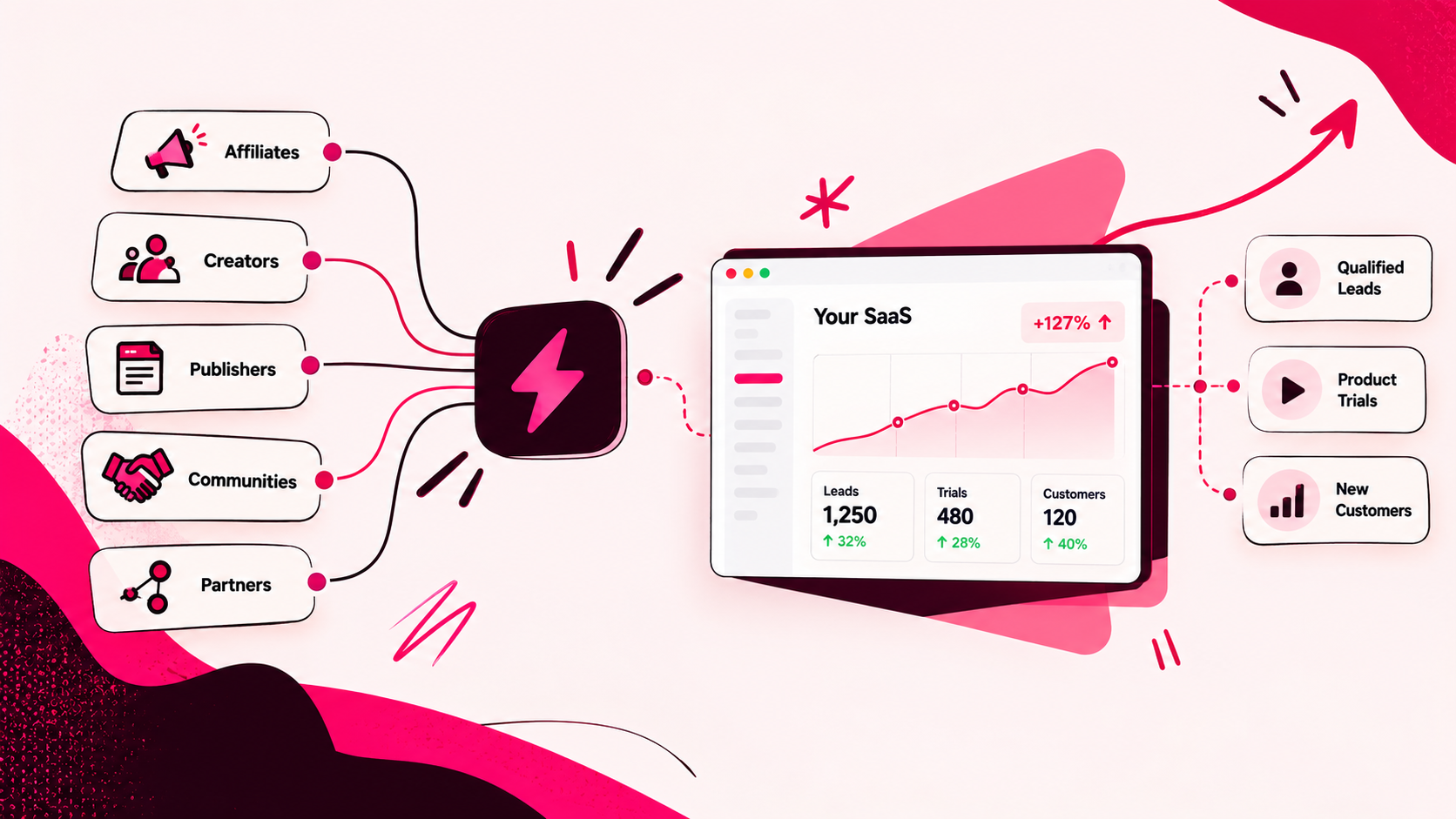
SaaS lead generation is the process of attracting and converting potential software buyers into qualified opportunities. It does not require another platform first. By improving positioning, partnering with trusted audiences, and tightening follow-up, SaaS companies can generate more sales conversations from channels and systems they already have.
Why does SaaS lead generation often start with more software?
When pipeline slows, the default response is often to buy something: a new automation platform, data provider, outbound tool, attribution product, or advertising dashboard. Software can help, but it cannot fix unclear positioning, weak audience fit, or a follow-up process that loses interested prospects.
More tools may also create:
- Duplicate data and disconnected workflows
- More setup work for a small marketing team
- Additional subscription costs before results appear
- Reporting complexity without better decision-making
- A false sense of progress while conversion problems remain
The better starting point is to identify where qualified prospects already exist and remove the friction between their interest and your offer.
What is the fastest way to improve SaaS lead generation?
Start with the assets, audiences, and relationships you already have. Audit your existing traffic, customer base, content, partners, sales conversations, and conversion paths before adding a new channel or application.
A practical first audit asks:
- Which pages attract visitors with commercial intent?
- Which customer problems appear most often in sales calls?
- Which partners already reach your ideal customer profile?
- Where do leads abandon the journey?
- Which campaigns produce qualified opportunities rather than inexpensive clicks?
This process often reveals improvements that cost less and launch faster than a new software implementation.
1. Clarify the problem your SaaS product solves
Effective SaaS demand generation begins with a specific problem, not a list of features. Buyers need to understand who the product is for, what costly friction it removes, and what outcome they can reasonably expect.
Rewrite your core message around this formula:
For example, “analytics software” is broad. “Revenue reporting for B2B SaaS teams that need reliable forecasts without rebuilding spreadsheets every week” is more useful because it identifies the buyer, pain point, and desired result.
Use this positioning consistently across your homepage, paid campaigns, partner materials, sales decks, and lead forms. Consistency improves both click-through rate and lead quality because prospects know what they are evaluating.
2. Turn existing customer knowledge into demand
Your customers and sales team already contain research that many companies pay an agency or software vendor to discover. Review call notes, support questions, onboarding discussions, lost-deal reasons, and renewal conversations.
Look for repeated language around:
- The trigger that caused a buyer to search for a solution
- The alternatives they considered
- The business impact of leaving the problem unresolved
- The objections that delayed a purchase
- The proof that finally created confidence
Turn those insights into comparison pages, practical guides, short videos, email sequences, and case studies. Content built from real buying language is more likely to match high-intent searches and convert the right audience.
A useful rule is to create content for the decision stage your prospects are actually in. A beginner guide may attract attention, while a comparison, implementation checklist, or ROI example may generate a sales-ready conversation.
3. Build a partner-led acquisition channel
Partner marketing is one of the most practical ways to expand SaaS lead generation without adding a large technology stack. Relevant partners can include affiliates, publishers, creators, consultants, agencies, communities, media buyers, and complementary software companies.
The strongest partnerships are based on audience fit, not simply audience size. A smaller specialist publication can outperform a broad channel if its readers have a clear need, budget, and reason to act.
To build a partner offer:
- Define the ideal customer and the problem being solved.
- Identify partners who already influence that audience.
- Create a simple landing page and tracking process.
- Provide approved messaging, creative, and proof points.
- Pay for meaningful outcomes such as qualified leads or sales.
- Review lead quality and optimize the strongest relationships.
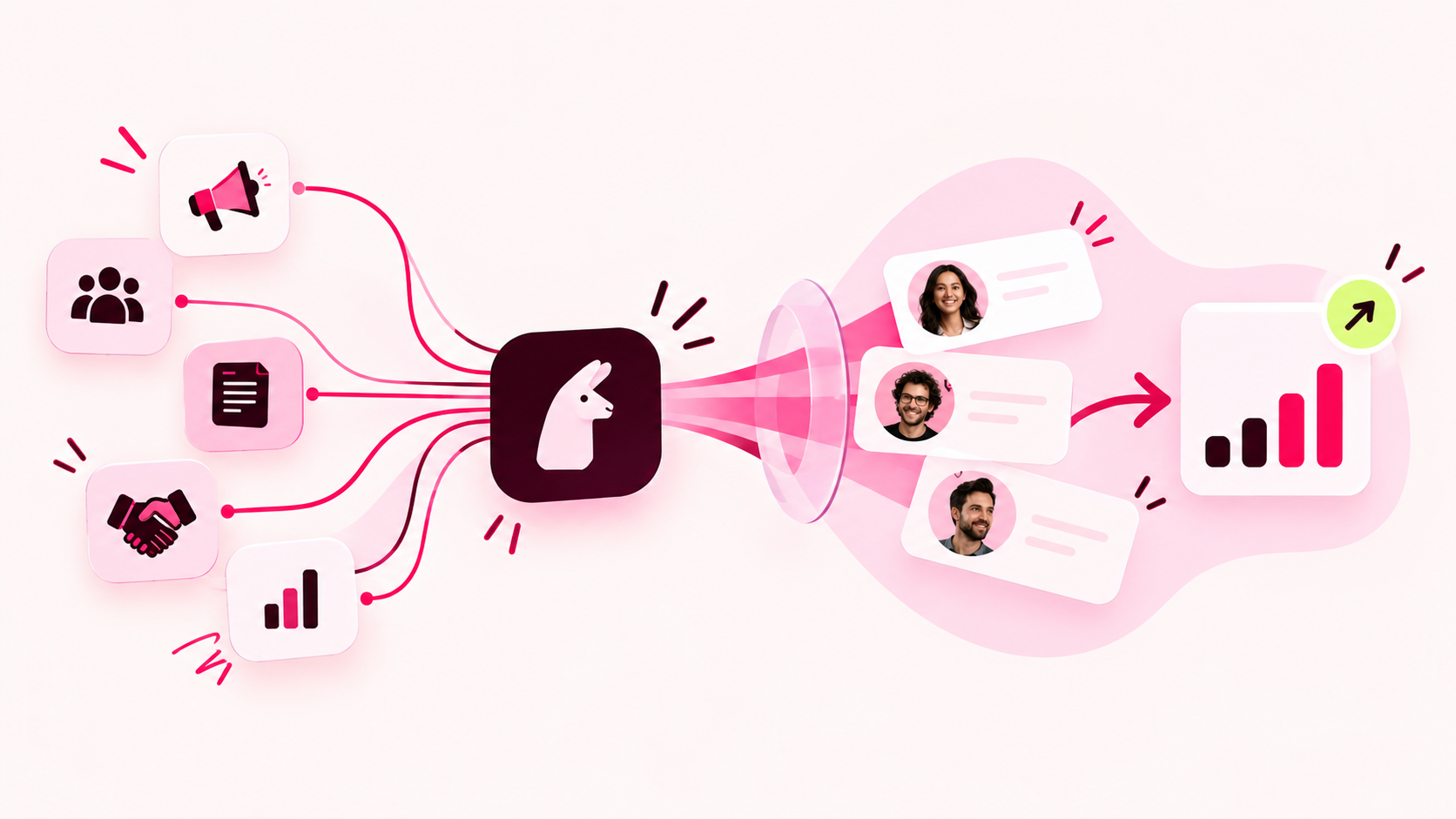
A performance-based model can reduce upfront risk because spend is connected to agreed outcomes. For Partners provides a natural starting point for exploring this type of acquisition relationship.
4. Improve conversion before increasing traffic
More visitors will not solve a conversion problem. Before investing in additional reach, examine whether your key pages make the next step obvious and credible.
Check the following:
- Does the headline describe a specific customer outcome?
- Is the call to action appropriate for the visitor’s buying stage?
- Can a prospect understand the product without a sales call?
- Are pricing, implementation, security, or integration questions answered?
- Is there proof from customers who resemble the target buyer?
Reduce unnecessary fields on forms and explain what happens after submission. If a visitor requests a demo, tell them when they will hear back and what the meeting will cover. If they are not ready to speak with sales, offer a useful lower-commitment resource.
Small improvements to page clarity, trust, and response time can create more qualified leads from the traffic you already earn.
5. Create a follow-up sequence that earns a response
A lead is not a pipeline opportunity until the business responds well. Slow, generic, or overly aggressive follow-up can waste demand generated by every channel.
A useful sequence should:
- Confirm the request and set expectations immediately.
- Reflect the prospect’s stated problem or goal.
- Share one relevant proof point or practical resource.
- Ask a simple question that advances qualification.
- Offer a clear next step and an easy way to decline.
Personalization should be useful rather than decorative. Refer to the company’s context, industry, campaign, or stated challenge instead of inserting a first name into a generic template.
Also define lead-routing rules. A high-fit account may deserve a rapid personal response, while a lower-intent contact can receive educational follow-up. Better prioritization helps sales teams spend time where the likelihood of value is highest.
6. Use intent signals to prioritize existing demand
Not every lead should receive the same treatment. Intent signals help you distinguish casual research from active evaluation without requiring a new predictive platform.
Useful signals include:
- Repeated visits to pricing or product pages
- Downloads of implementation or comparison content
- Multiple contacts from the same company
- Replies to campaign emails
- Requests for security, integration, or procurement information
Combine these signals with fit criteria such as company size, industry, geography, role, and use case. A high-fit account showing several buying signals should move quickly to a relevant human conversation.
Keep the scoring model simple enough for the team to understand and challenge. A transparent process is usually more useful than a sophisticated score nobody trusts.
7. Measure qualified outcomes, not activity
SaaS marketers can generate impressive activity numbers while pipeline remains flat. Impressions, clicks, downloads, and form fills are useful diagnostic metrics, but they are not the final measure of lead generation performance.
Track the full path from source to business outcome:
- Leads by channel
- Marketing-qualified leads
- Sales-accepted leads
- Opportunities created
- Conversion to closed revenue
- Cost per qualified opportunity
- Time to first response
Review performance by partner, campaign, audience, and offer. A channel with fewer leads may be more valuable if it produces higher-fit opportunities and shorter sales cycles.
This also improves budget decisions. Instead of asking which channel is cheapest, ask which channel reliably creates the type of customer the business wants.
A simple 30-day SaaS lead generation plan
You do not need to implement every idea at once. Use a focused sequence to create learning quickly.
Week 1: Find the constraint
- Review your best and worst recent opportunities.
- Interview sales and customer-facing team members.
- Identify the highest-intent pages and largest conversion gaps.
- Write a sharper statement of the target customer and problem.
Week 2: Improve the conversion path
- Rewrite the primary landing page around an outcome.
- Add relevant proof, objections, and next-step expectations.
- Reduce friction in forms and booking flows.
- Create a basic lead-routing and response-time standard.
Week 3: Activate audiences you already have
- Build one practical resource from customer questions.
- Contact complementary partners with a clear offer.
- Re-engage relevant past leads with useful new information.
- Ask current customers for introductions or referrals where appropriate.
Week 4: Measure and refine
- Compare lead quality by source.
- Review response times and follow-up outcomes.
- Identify the messages and partners producing the best opportunities.
- Decide what deserves more investment before buying another tool.
Frequently asked questions
Can SaaS companies generate leads without paid advertising?
Yes. SaaS companies can generate leads through search content, referrals, partner marketing, customer advocacy, communities, email, webinars, and sales outreach. The best mix depends on audience behavior, deal size, urgency, and available expertise.
Is affiliate marketing suitable for B2B SaaS?
It can be, particularly when affiliates reach a defined professional audience and are paid for measurable outcomes. Quality controls, clear compliance requirements, accurate tracking, and lead validation are essential.
Should a SaaS startup buy marketing software?
Buy software when it solves a proven operational constraint, such as managing volume, improving reliability, or connecting essential data. Avoid buying it as a substitute for positioning, research, or a clear acquisition strategy.
How long does SaaS lead generation take?
The timeline varies by channel and sales cycle. Conversion improvements and partner outreach may produce early learning, while organic content and brand-building generally require more time. Measure progress through qualified opportunities, not traffic alone.
The practical takeaway
SaaS lead generation does not have to begin with another platform. Start by clarifying the buyer problem, using customer insight, improving conversion paths, and creating partnerships with audiences that already trust a relevant source. Then build disciplined follow-up and measure qualified opportunities through to revenue. For most SaaS teams, the next step is not to add more complexity. It is to audit the current journey, fix the largest constraint, test one focused acquisition channel, and invest further only when the evidence supports it. Explore PartnerLlama’s home page or visit the Blog for more context on performance-based growth.